
Propolis
About Propolis
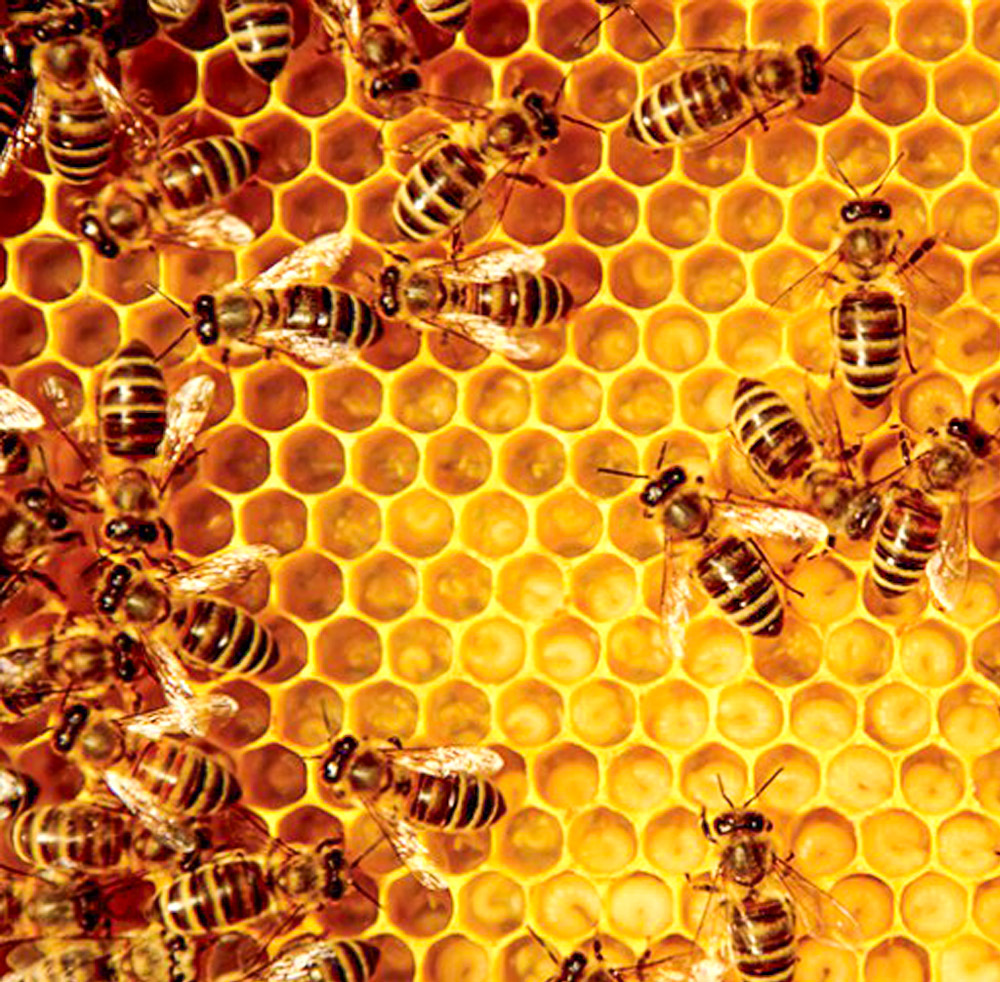
What is Propolis ? Propolis is a sticky resin that seeps from the buds of some trees and oozes from the bark of other trees, chiefly conifers. The bees gather propolis, sometimes called bee glue, and carry it home in their pollen baskets. They blend it with wax flakes secreted from special glands on their abdomens. Propolis is used to slickly line the interior of brood cells in preparation for the queen's laying of eggs, a most important procedure. With its antiseptic properties, this propolis lining insures a hospital-clean environment for the rearing of brood.
CALL US NOW!
570-537-2381
The Properties of Propolis
Propolis is another medicinal marvel from the beehive.
Research shows it offers antiseptic, antibiotic, antibacterial, antifungal, and even antiviral properties. Propolis is Nature's premiere preventive. It is so powerful in action, it is often called Russian penicillin in acknowledgement of the extensive research the Russians have mounted on this wonder worker from the bees. Propolis demonstrates strong antimicrobial properties against various bacterial and fungal infestations. Even streptococcus bacteria have been shown sensitive to propolis.
Nature's Preventive Medicine Propolis has been justly called Nature's premier preventive. The immune system is supported and strengthened by the ingestion of propolis. Modern scientific studies indicate that those who take propolis regularly escape winter colds and sore throats and seem to develop a natural immunity to common viruses, including the various strains of flu.
Chemical antibiotics destroy all bacteria in the body, both the friendly, (necessary flora required for healthy functioning in the entire gastrointestinal tract) and the bad intestinal flora. An individual who constantly takes prescribed antibiotics for one condition after another soon learns to his sorrow that the drugs may no longer work as well as they once did. As invading bacteria get "smarter," the drugs become less and less effective.
Propolis, the natural antibiotic, works against harmful bacteria without destroying the friendly bacteria the body needs. Propolis has also been proven effective against strains of bacteria that resist chemical antibiotics.
The field of influence of propolis is extremely broad. It includes cancer, infection of the urinary tract, swelling of the throat, gout, open wounds, sinus congestion, colds, influenza, bronchitis, gastritis, diseases of the ears, periodontal disease, intestinal infections, ulcers, eczema eruptions, pneumonia, arthritis, lung disease, stomach virus, headaches, Parkinson's disease, bile infections, sclerosis, circulation deficiencies, warts, conjunctivitis, and hoarseness.
Propolis helps regulate hormones and is an antibiotic substance that stimulates the natural resistance of the body. Propolis may be used by everyone, sick or healthy, as a means of protection against microorganisms. Propolis is also efficient against conditions caused by bacteria, viruses, or different fungi. Propolis cures many diseases because it is a special natural substance with strong effect.
Use it as part of your daily program of supplementation. It has helped the bee society survive and thrive for over 45 million years. It may well help you survive ... for a long time!
Main Ingredients: Protein 21.2 %, Carbohydrates 48.5 %, Fatty acids 9.9 %, Ash 3.5 %, Fiber 14.2 %
Thiamine (vitamin B1) - Indicated for the treatment of the toxic effects of alcohol and certain medicine, the curing the edemas, the treatment of shingles, and heart conditions myocarditis and tachycardia, and in regimen for diabetes.
Riboflavin (vitamin B2) - In opthomology, necessary to cure conjunctivitis, disorders of retinal adaption, some skin diseases and alleviate migraines.
Pyridoxine (vitamin B6) - Required for the formation of hemoglobin and used to combat nervousness, fatigue, muscular weakness, brain tumors, anemia, Parkinson's disease, arteriosclerosis of the brain, and radiation sickness.
Nicotinic Acid (Nicotinamide) - Acts on the formation of blood, is used in the treatment of toxic overload, diabetes mellitus, gastrointestinal problems, asthma, neuralgia, fights migraine and tinnitus, and lower cholesterol.
Pantothenic Acid (Part of B-complex) - Effectively speeds the cure of wounds, gangrene, various ulcers, herpes, bedsores, inflammatory infections of the mouth, colds, bronchitis, infectious hepatitis and minor skin problems.
Ascorbic Acid (vitamin C) - Stimulating antitoxic effects. Beneficial against colds, respiratory distress, and is useful in metabolizing calcium.
Retinol (vitamin A) - Effective against infections, dry eyes, and night blindness.
Tocopherol (vitamin E) - Assists oxygenation of the cellular level and fights sterility. Has anticoagulant properties and improves blood circulation.
Something you should know about pollen and allergies is that a single source "local" pollen is documented as almost always being deficient in one or more elements. It is necessary to blend pollens from many sources to ensure a full complement of all elements. This is the way we pack all of our pollen! A blend of pollens is best for allergies!
Don't Bee Burned
A natural mixture of bee pollen and other substances produced by honey bees, propolis offers significant anti-inflammatory and antimicrobial benefits. Not surprisingly, research finds propolis, or "bee glue," comparable to silver sulfadiazine in treating second-degree burns. Following minor burn patients, investigators noted no significant difference between the natural and pharmaceutical treatments in the formation of bacterial colonies. In addition, burns treated with propolis were less inflamed, and the patients using this natural skin cream healed faster Propolis is also less expensive and less likely to produce allergic side effects.
SELECTED SOURCES
"Comparison of Silver Sulfadiazine to Propolis in Second-Degree Burn Treatment" by Scoff R Gregory ct al., Journal of Alternative and Complementary Medicine, 2002 Encyclopedia of Natural Healing by Siegfried Gursche, MH ($59.95, Alive, 1997)